Biohazard Cleanup
Safe, careful removal of bodily fluids and other infectious material, finished with hospital-grade disinfection.
Learn more →Washington · King County
Has a crime, an accident or an unattended death left a mess in Eastlake? Police and paramedics do not clean up afterward, so you need cleaners to remove blood, bodily fluids and contaminated materials. Call (877) 812-4220.
If anyone is in danger, call 911 first. For a suicide crisis, call or text 988.
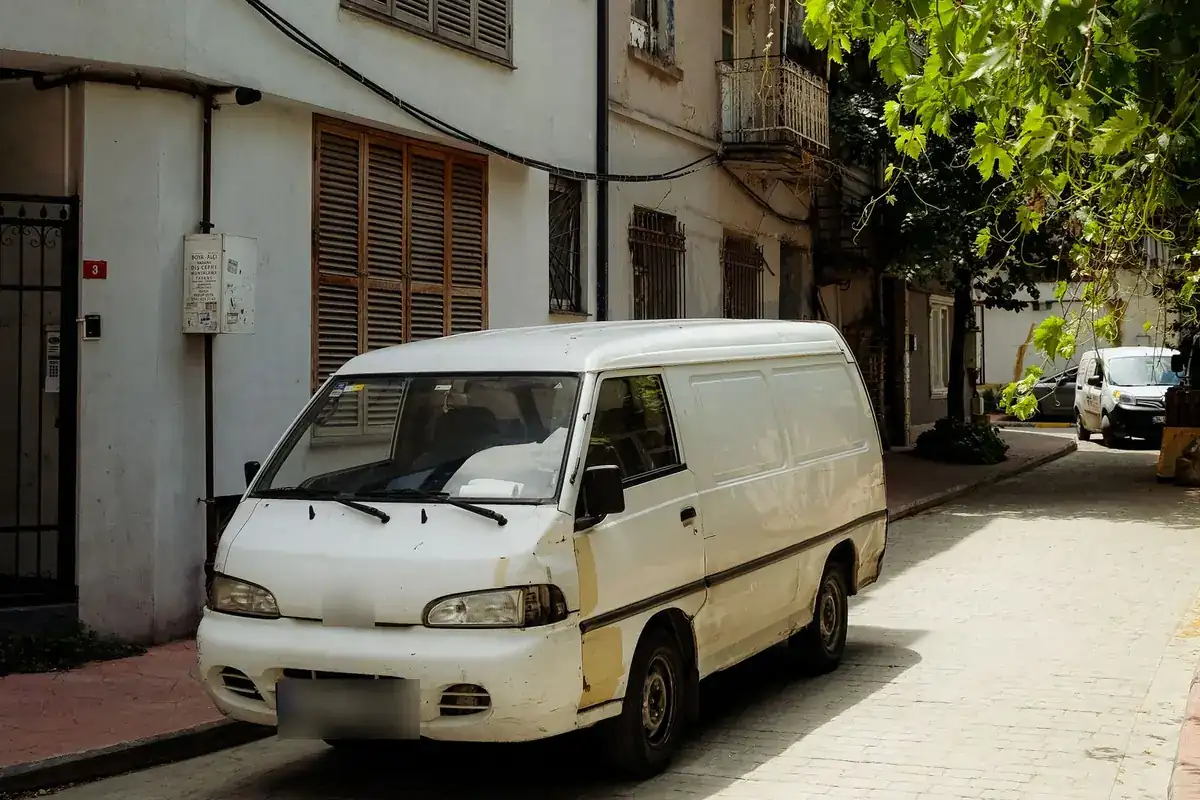
Bio cleanup covers more than crime scenes. It includes unattended deaths, suicides, accidents, hoarder houses, sewage backups and disease outbreaks. Whatever the cause, you can call Eastlake Biohazard Cleanup Help in Eastlake for houses, apartments, offices and vehicles.
Calls are answered day and night, and crews arrive in unmarked vehicles so the work stays private. The cleanup team seals off the area, removes what cannot be saved, disinfects what can and carries away the waste. Service covers Eastlake and nearby communities such as Portage Bay and Montlake.
Homes in Seattle have a median build year of 1976, older than most homes across Washington. Older carpet, wood subfloors and trim take in fluids deeply, so more material may need removal. Older adults make up about 13% of residents in Seattle, below the Washington average, so calls come from a broad mix of situations, including accidents, crime scenes and rental turnovers.
The rule on the wall of every serious crew is to treat all blood and bodily fluids as infectious. Under OSHA's Bloodborne Pathogens Standard (29 CFR 1910.1030), cleanup technicians use PPE and strict handling steps so germs stay out of the rest of the home and off the people doing the work.
Sealing, cleaning, disinfecting and ventilating work together. Plastic barriers and HEPA air scrubbers hold contaminants in place, EPA-registered disinfectants do the germ kill, and hydroxyl or ozone treatment clears the odor that is left.
Property owners and managers in Eastlake can call Eastlake Biohazard Cleanup Help about any of the biohazard services listed here, and the cleanup team will say which one fits the situation.
Safe, careful removal of bodily fluids and other infectious material, finished with hospital-grade disinfection.
Learn more →Cleanup after violent crimes, break-ins and assaults, using protective gear and EPA-registered disinfectants.
Learn more →Trauma cleaners remove blood, bodily fluids and odor after injuries, violent events and sudden emergencies.
Learn more →Decomposition cleanup that treats the room, the air and the odor at its source.
Learn more →Compassionate cleaning after a loss, with keepsakes set aside and the room returned safe.
Learn more →Respectful homicide cleaning that removes blood, bodily fluids and odor after investigators release the scene.
Learn more →Dried and set-in blood lifted from tile, wood and fabric, with odor treated once the cleanup is done.
Learn more →Bodily fluid cleanup for blood, vomit, urine and feces, with disinfection and safe waste disposal.
Learn more →Urine and feces cleanup that removes soaked carpet, mattresses and furniture and sanitizes the affected area.
Learn more →Thorough deodorizing after a death, with the air and structure checked room by room.
Learn more →Respectful hoarder cleaning that clears exits, sorts belongings with you and cleans every room.
Learn more →Full-house hoarder cleanout with sorting, haul-away and deep cleaning from the first room to the last.
Learn more →Ammonia odor, urine and feces cleaned from floors, walls and air after animals are removed.
Learn more →Respectful squalor cleaning for owners, landlords and families, step by step.
Learn more →Raw sewage removal, tear-out of soaked materials and full disinfection after a backup or overflow.
Learn more →COVID-19 cleanup and coronavirus disinfection of high-touch surfaces, bedrooms, bathrooms and shared rooms.
Learn more →Surfaces cleaned, disinfected and checked so a contaminated room or vehicle is safe to use again.
Learn more →Local biohazard disposal services, from one sharps container to rooms of contaminated medical supplies.
Learn more →Sharps cleanup with protective gear, puncture-resistant containers and proper medical waste disposal.
Learn more →Clearing a room or unit after drug use, with sealed containers and proper disposal.
Learn more →Meth lab cleanup: residue testing, removal of contaminated materials and decontamination of the property.
Learn more →Careful fentanyl cleanup that avoids dry sweeping, controls dust and seals contaminated waste.
Learn more →Spills, leaks and abandoned chemicals contained, removed and hauled away by crews in protective gear.
Learn more →Hazmat cleaning for pavement, soil, buildings and equipment, with protective gear and lawful waste disposal.
Learn more →Irritant residue removed from walls, floors, fabrics and vents after tear gas or pepper spray is released.
Learn more →Rodent infestation cleanup after pest control, with odor removal and sanitizing of the affected area.
Learn more →Histoplasmosis-aware cleanup with respirators, HEPA filtration and sealed disposal of guano.
Learn more →Carcass cleanup of fluids and soaked insulation, carpet and drywall that cannot be saved.
Learn more →Rideshare, rental and fleet vehicle decontamination handled quietly and returned ready to use.
Learn more →Accident scene cleanup for homes, stores, offices and vehicles, handled quietly with protective gear.
Learn more →Workplace biohazard cleanup that contains the area, removes contamination and documents the work for insurers.
Learn more →Careful clearing of a home after a death, with biohazard cleanup first when it is needed.
Learn more →A cleanup specialist answers the call, then a technician inspects the site, identifies every biohazard and plans the remediation process. At a crime scene, work starts after law enforcement releases the property.
The affected area is sealed off with plastic sheeting and air filtration so contaminants and odor cannot spread. Technicians put on PPE before they enter.
Porous materials are removed, surfaces are scrubbed and disinfected, and tools are cleaned between steps so germs are not carried to other rooms.
Hydroxyl, ozone or HEPA air treatment removes lingering odor. The crew walks the property one last time before calling the job complete.

A cleanup specialist explains the steps, the likely cost range and what the property owner needs to do next, in everyday words.
OSHA bloodborne pathogen protocols, full PPE, EPA-registered disinfectants and lawful biohazard waste disposal on every job.
Cleanup covers houses, apartments, rentals, offices, churches, shops and cars or trucks, with plans that fit each type of property.
A final inspection, with odor and surface checks where they help, confirms the area is safe before the cleanup is called complete.
Biohazard cleanup in Eastlake, Seattle, WA typically costs $500 to $25,000, depending on the type of biohazard, the size of the affected area and how far fluids soaked into porous materials.
Most residential jobs cost $3,000 to $5,000 (Fixr). Ask what is included before agreeing to anything: removal, disinfection, odor control, waste disposal and paperwork. A clear scope helps the family, the landlord and the insurance company agree on the cost.
| Type of job | Typical range |
|---|---|
| Blood spill cleanup, small area | $500 - $2,500 |
| Crime scene cleanup, most homes | $1,500 - $7,500 |
| Unattended death cleanup | $2,000 - $7,000 |
| Suicide cleanup | $1,500 - $5,500 |
| Sewage cleanup, most homes | $2,000 - $10,000 |
| Hoarding cleanup, level 3 home | $2,000 - $5,000 |
| Meth lab cleanup, typical | $15,000 - $20,000 |
Estimates only, not a quote. Sources: Fixr, Yelp Costs, BioCleaners Directory, PushLeads, Dropcurb, Bob Vila and cleanup company cost guides. Call (877) 812-4220 to talk through the job.
Attics, barns and sheds can hold droppings, guano and carcasses that carry disease. Careful removal and disinfection protect the people who go back in.
When a death goes unnoticed for days, decomposition fluids reach flooring and subfloor and the odor spreads. Death cleanup removes the affected materials and treats the odor at the source.
About 53% of homes in Seattle were built before 1980, and older carpet, subfloor and trim hold fluids deeper, which can mean more material to remove.
Failing septic systems and sewer backups push raw sewage, a Category 3 biohazard, into homes. Sewage cleanup removes contaminated materials and disinfects every surface.
Cars, trucks and work vehicles can carry biohazards after an accident, assault or medical event. Vehicle cleanup removes contaminated upholstery and disinfects every surface and vent.
Homes, churches and businesses may need infectious disease disinfection, needle and sharps cleanup, or meth lab and fentanyl decontamination after a property is released.
The word biohazard covers blood, tissue, decomposition, sharps, waste and some residues. Each carries different health risks, and each calls for its own cleaning and disposal approach.
Biohazard cleaning is the safe removal of infectious or contaminated material and the disinfection of whatever it touched. Crews wear protective equipment, remove porous materials that cannot be made safe, and dispose of the waste under medical waste rules. It goes far beyond ordinary housecleaning.
Yes, when the source is removed and treated. The crew takes out the contaminated materials, disinfects the surfaces, and uses HEPA air scrubbers and hydroxyl or ozone equipment to clear the air, rather than masking the smell.
Most biohazard clean up jobs take one to three days. A small blood spill can be finished in a few hours, while an unattended death with decomposition, a hoarder house or a meth lab can take a week or longer.
Usually it is better not to. The affected area is sealed off, odor and chemicals may be present, and the work is easier to do safely with people and pets elsewhere. The crew can say what is safe for your situation.
The body is removed by a funeral home or the authorities. Cleaning the room afterwards is not their job; the family, landlord or estate hires biohazard cleaners for death cleanup, decomposition removal and odor removal.
The cost depends on the type of contamination, the size of the area, how many porous materials must be removed, odor treatment and waste disposal. A small spill costs far less than an unattended death or a hoarded home. The cleanup team explains the cost range after hearing the details.
Tell the landlord and the renters insurer right away. With renters in about 56% of homes in Seattle, many rentals have a process for this. The building is usually the owner's job, and belongings may fall under the tenant's policy.
The census figure for older adults living alone in Seattle is 34%, above the Washington average. When someone lives alone, a death can go unnoticed for days, and that leads to unattended death cleanup.
The service area reaches from Eastlake to Seattle, Portage Bay and Montlake. Whichever town the property is in, the process and the protective standards stay the same.
Crews work in unmarked vehicles, so the job stays private.
Call (877) 812-4220